
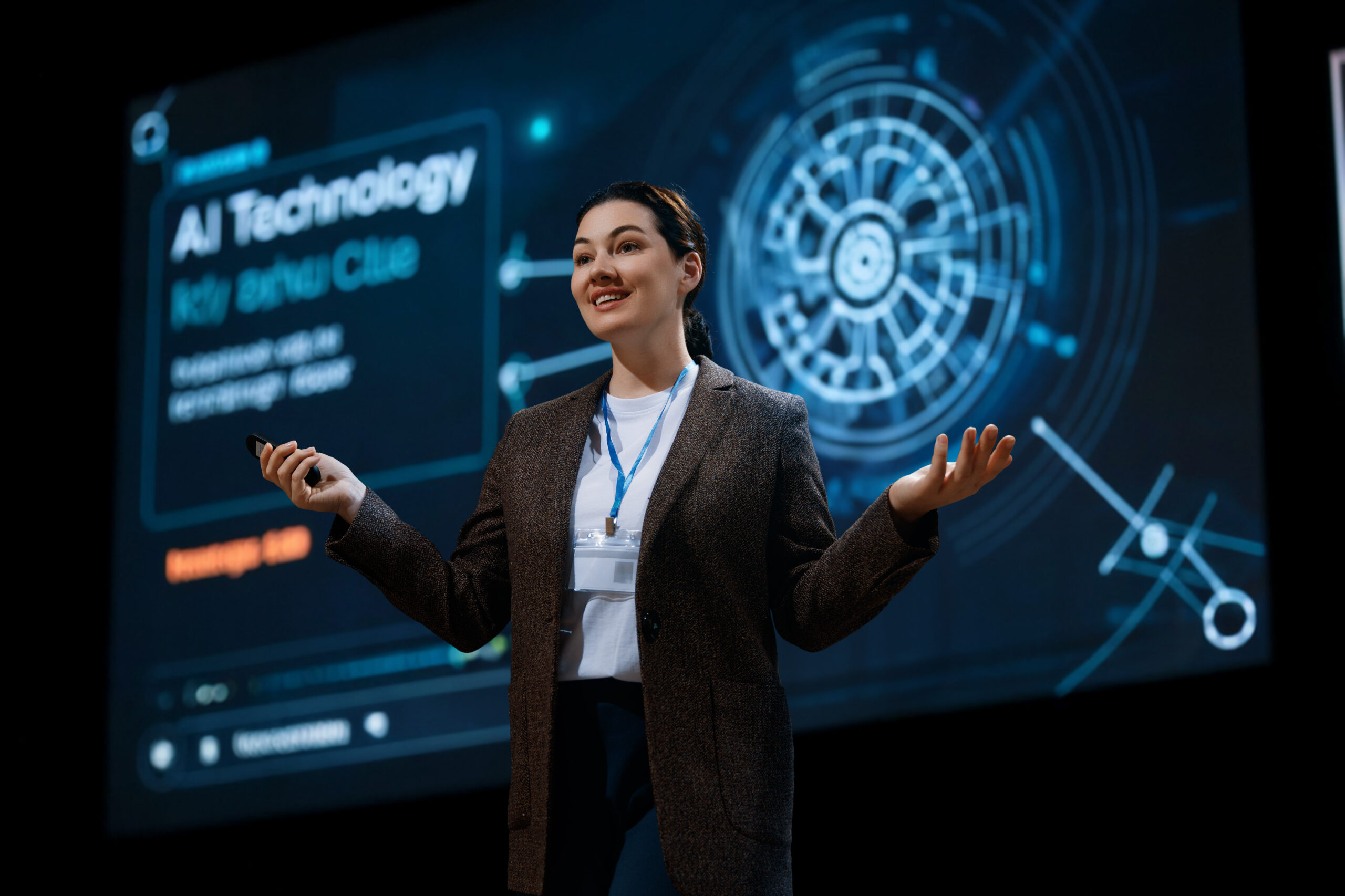
Academic institutions generate exceptional research and emerging talent. Industry organizations face complex technical challenges requiring innovative solutions. Despite clear mutual benefit, collaboration between academia and industry remains fragmented.

The issue is not interest—it is infrastructure. Research is often siloed, and industry challenges are not always structured for academic engagement.

Linkloop.ai provides intelligent coordination infrastructure that bridges this gap. Through AI-powered profiling and semantic clustering, academic expertise becomes structured, discoverable intelligence aligned to applied problem domains.

Organizations can define targeted challenge statements tied to measurable objectives, enabling precise talent alignment. Institutions gain visibility into industry demand and measurable collaboration outcomes.

This structured approach reduces friction, accelerates innovation cycles, and builds sustainable talent pipelines. Collaboration shifts from informal networking to outcome-driven partnership.

When coordination becomes intelligent and systematic, academic potential and industry need align seamlessly—transforming fragmented opportunity into scalable innovation ecosystems.

Related Post

      • February 19, 2026
       Why Mentorship Fails — And How Structured AI Facilitation Fixes It
         Why Mentorship Fails — And How Structured AI Facilitation Fixes It February 19, 2026 admin Mentorship is widely recognized as essential for professional growth, yet many mentorship programs underperform due to unclear objectives and inconsistent engagement. Without structure, mentorship becomes conversational rather than developmental. Good intentions alone do not produce measurable outcomes. Linkloop.ai embeds AI-facilitated […]

                • February 17, 2026
                 From Keywords to Context: Rethinking Smart Matching in Talent Platforms
                   From Keywords to Context: Rethinking Smart Matching in Talent Platforms February 17, 2026 admin Most talent platforms rely on keyword overlap to match people and opportunities. If profiles share tags, they are considered aligned. However, human capability is contextual, not binary. A keyword signals exposure—not proficiency. Two individuals listing the same skill may have vastly […]

                          • February 16, 2026
                          The End of Forms: Why Conversational Onboarding Is the Future of Talent Ecosystems
                            The End of Forms: Why Conversational Onboarding Is the Future of Talent Ecosystems February 16, 2026 admin For decades, onboarding systems have relied on static forms—structured fields designed for administrative efficiency rather than human expression. Dropdown menus, checkboxes, and keyword tags attempt to compress multidimensional individuals into database-friendly inputs. While operationally convenient, this model fundamentally […]
                                 

                                Leave a Reply

                                Your email address will not be published. Required fields are marked *